
Band Hire : Birmingham and the midlands, Band Hire : Bristol and the south west, Band Hire : London and the south east, Band Hire : Manchester and the north, Band Hire : Scotland, Themed party music, Wedding reception music
The versatile violin performs magical wedding music
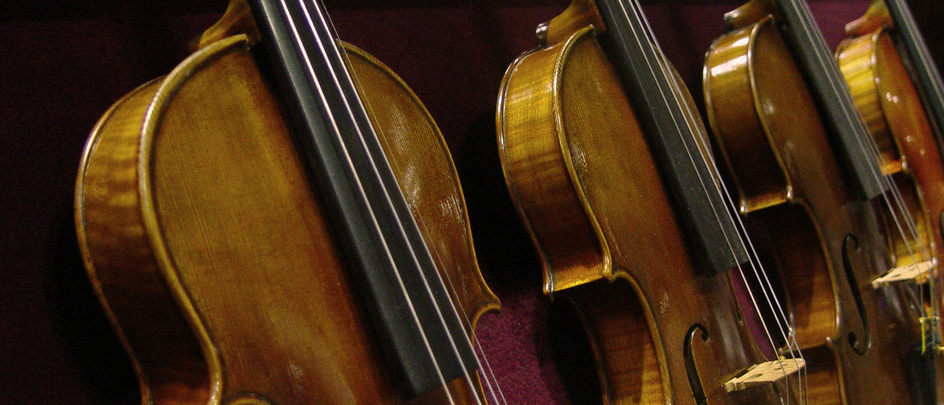
The fiddle is a musical instrument of ancient and obscure origin. Introduced to Europe from the near East, possibly around the time of the crusades, it underwent considerable modification and hybridisation over the course of several centuries, emerging in its modern form in Renaissance Italy and renamed as the violin. It has altered very little since that time, but has risen to worldwide prominence as a supremely versatile melody instrument.
Violins, fiddles and their earlier counterparts have featured at weddings and other festivities over countless centuries. Eminently suited to accompany songs or as a flexible, acrobatic dance-leader, instruments of this type retain their popularity in the present day, from string quartets at smart occasions through elegant swing jazz or effervescent gypsy music to down-home traditional country dances, hoedowns and ceilidhs where people can really let their hair down.
The sheer versatility of the instrument
 swing jazz bands. Irish bands and string quartets for weddings or parties.
From traditional jigs, hornpipes and reels for a Scottish or Irish ceilidh through classy Broadway swing jazz, Hot Club style, the seductive mystery of central European gypsy music or klezmer, all the way to the timeless elegance of a classical string ensemble, the sheer eclectic versatility of the instrument shines through at every turn – absolute magic for any wedding celebration, however formal or informal.
Violin or fiddle – what’s the difference?
The difference between violin and fiddle lies in the style of music being played, rather than any physical or technical distinction existing between the two – they are both actually one and the same instrument. Put simply, classical music is performed on the violin, but the fiddle plays all the other genres – it’s merely a convention (however confusing) to thus separate them.
The distinction between the two can, however, be seen in a historical context. The fiddle gradually evolved into the modern violin over many centuries, during which time notated music (art music, which later came to be known as classical music) enjoyed a period of massive development which began in Italy, the ‘birthplace’ of the violin.
Musicians who learned to read and write music would play the new violin music, those who didn’t followed the older convention of aural music-making, continuing to play the traditional fiddle music. The two genres naturally diverged, albeit still borrowing heavily in a reciprocal sharing of technical and musical ideas. The distinction in practice still broadly exists in the present day.
The stentorian fiddle leads the dance
Jigs, reels and hornpipes are meat and drink to a traditional Gaelic fiddler in Ireland, Scotland or the Western Isles. In neighbouring Scandinavia, a similar regional folk tradition is preserved with variants of the fiddle at the forefront. Across the big pond, fiddle and banjo concoct a vibrant, toe-tapping modern celebration of the various musical cultures imported by successive waves of European settlers.
Journey eastward and you will frequently encounter gypsy fiddle music in street cafes and bars from Venice to Budapest to Istanbul and beyond. Klezmer fiddle and clarinet music from the Jewish tradition is very popular for weddings, christenings and other festivities.
So, violin or fiddle (call it what you will) offers a huge variety of musical ideas for any wedding theme. From the elegant classical ambience of a string quartet, through rip-roaring Gaelic ceilidh music and chic swing jazz to the intoxicating frenetic energy of European gypsy music, the fiddle is Lord of the Dance.

Leave a reply